Today's Field Notes
Garden Notes / Plant Wisdom
Barbara's Garden: A Lavender Harvest
From Barbara's Garden
A quiet note from the garden on lavender, pollinators, drying herbs, and the relationship between plants, people, and place.
There is something different about meeting a plant before it becomes a product.
Before lavender becomes a sachet, a tea blend, a bath soak, an oil, or a bundle tied with string, it begins as something living. It grows in the sun. It feeds the bees. It gathers scent slowly. It waits for the right moment to be cut, carried, bundled, and dried.
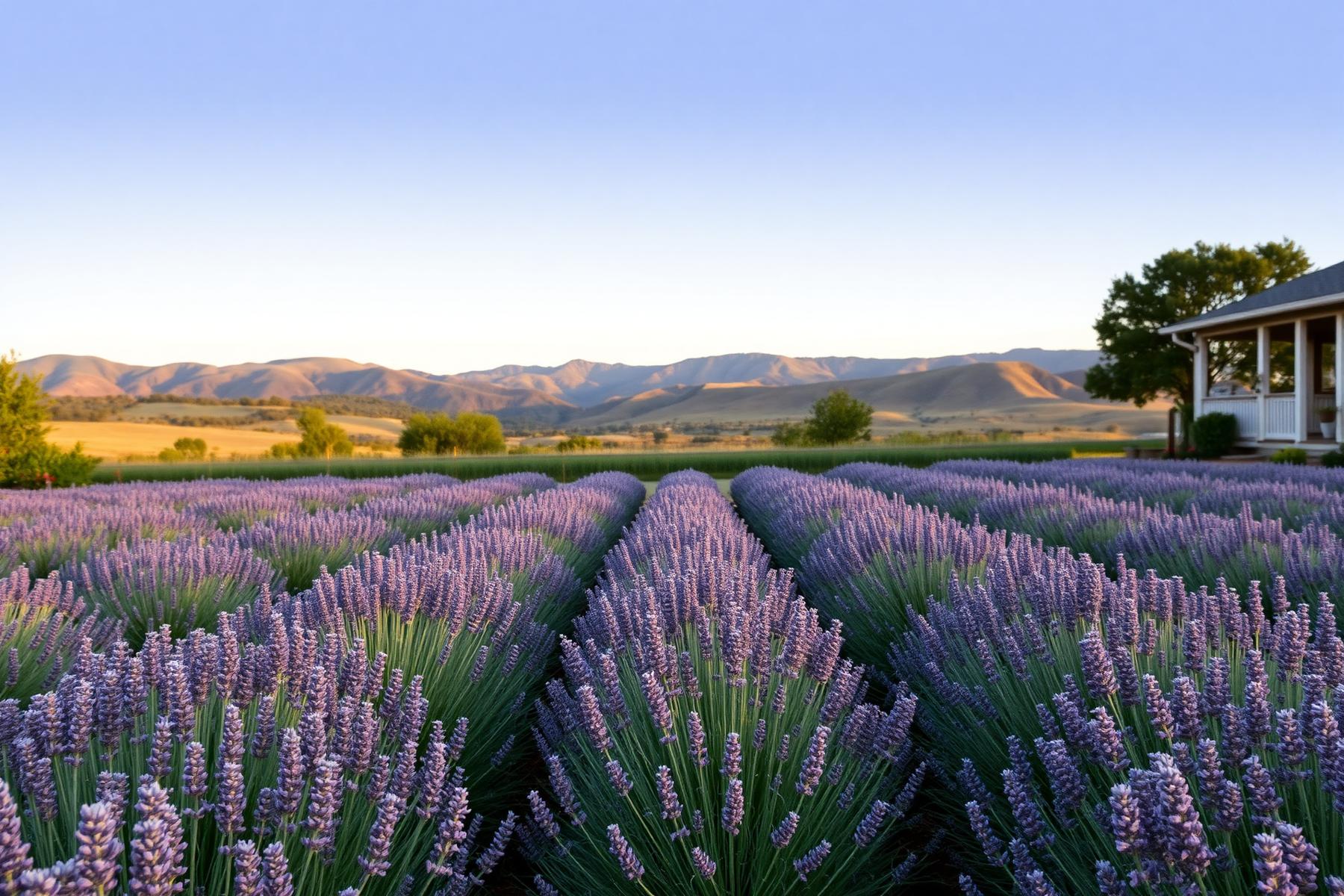
This harvest began in Barbara's garden.
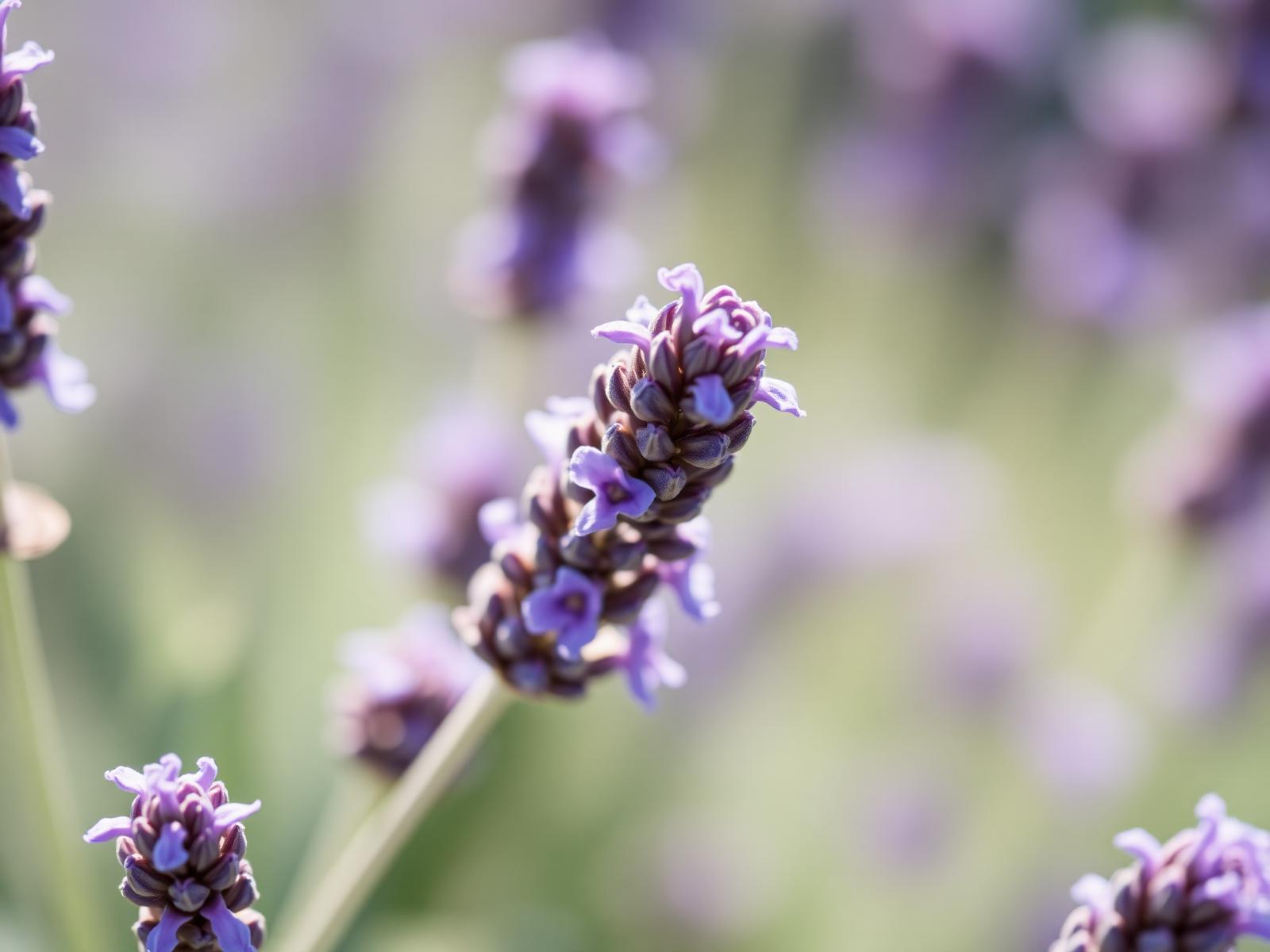
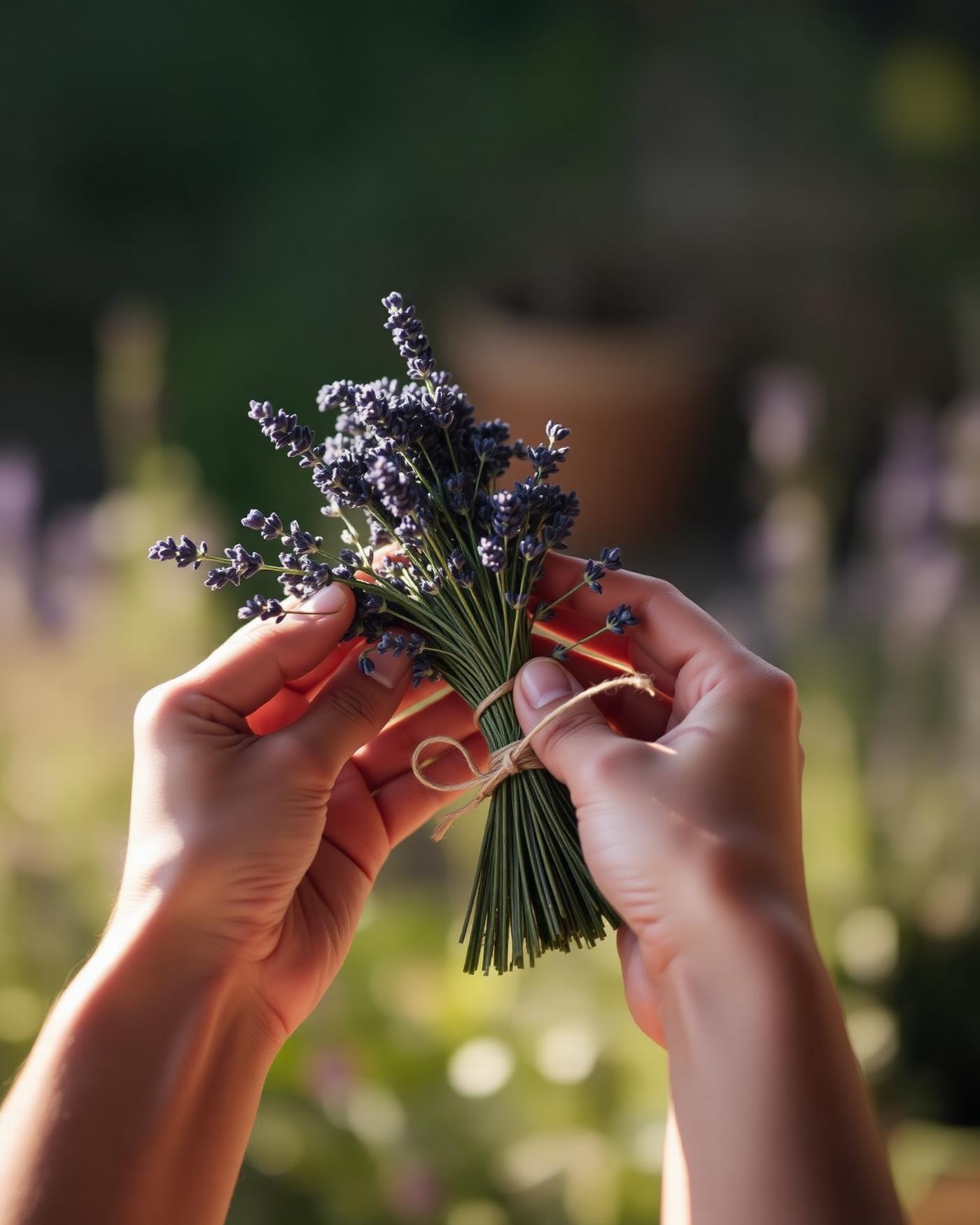
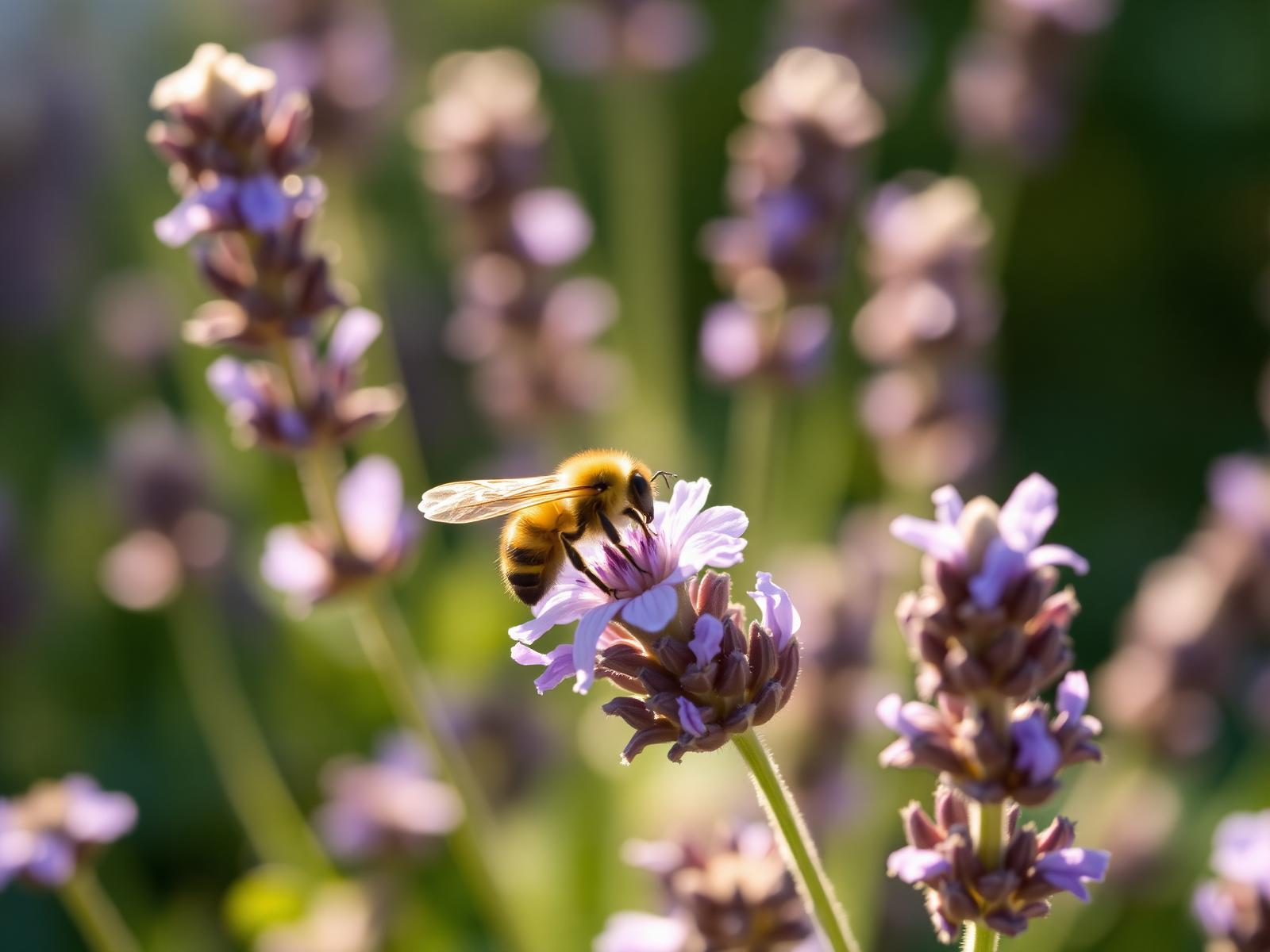
We gathered lavender by hand, cutting the long stems and collecting them into soft purple bundles. The table filled quickly with flowers, leaves, and that familiar scent — clean, floral, earthy, and calming all at once. Around us, the garden was full of life. The bees seemed to know exactly where to go, moving through the lavender like they had been invited.
That was the part that stayed with me.
Lavender is often talked about for its scent, but in the garden it is more than fragrance. It is beauty, habitat, food, medicine in the old sense of the word, and a reminder that plants have relationships long before people give them a use.
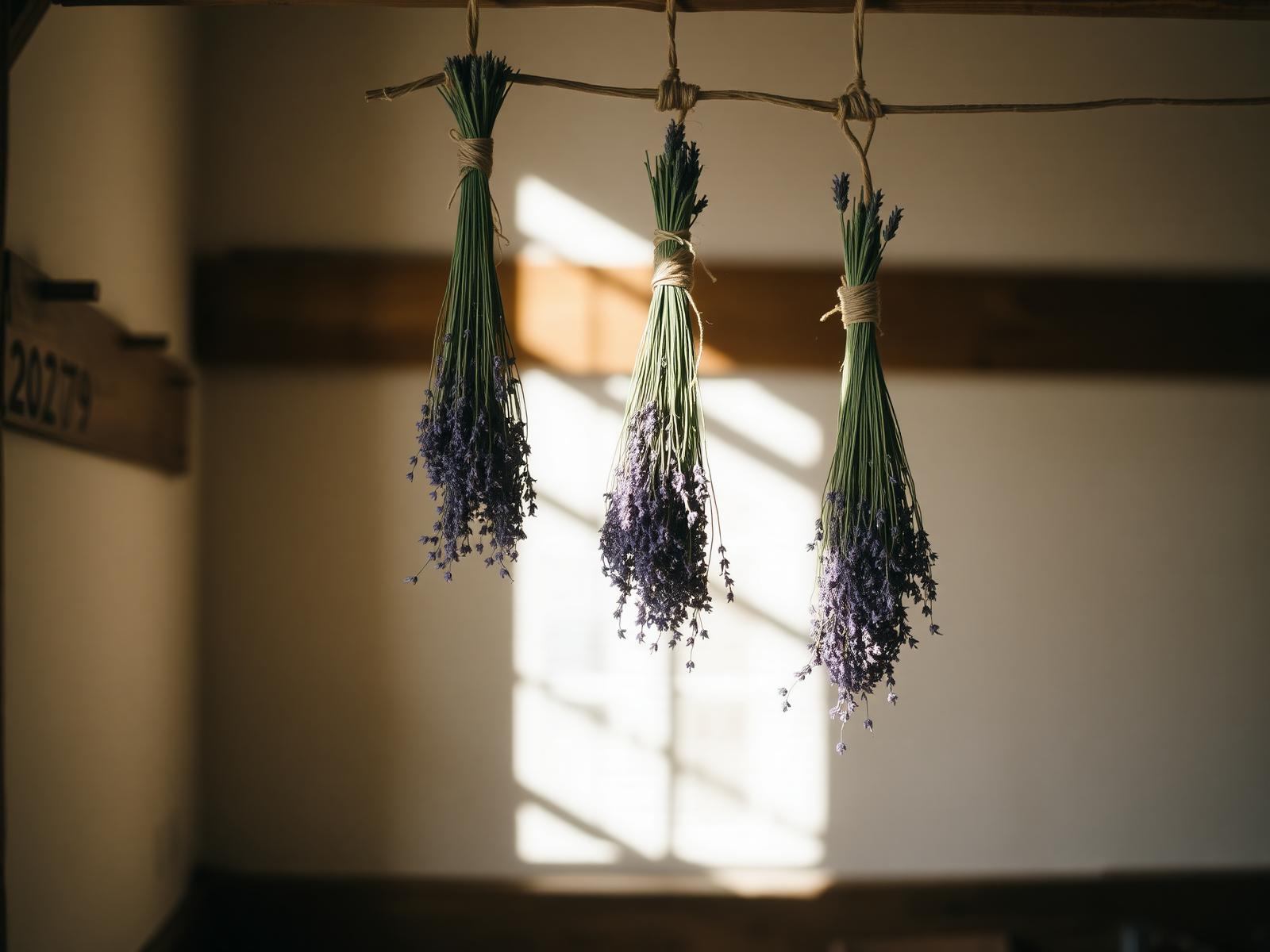
After harvesting, the lavender was gathered into bundles and hung to dry. Drying is slow work. It asks for patience. The plant changes form, but it does not lose its presence. The scent deepens. The color softens. What was fresh and alive becomes something that can be kept, shared, and used in small daily rituals.
Simple Uses for Dried Lavender
Dried lavender can be used in simple ways: tied into bundles, placed in drawers or linen closets, added to sachets, blended into bath salts, used in aromatic rituals, or kept near a bedside as a reminder to slow down. Lavender has long been associated with calm, rest, cleansing, and care. In herbal and aromatherapy traditions, it is often used to support a sense of ease and relaxation.
But this field note is not only about what lavender can do for us.
It is also about where it comes from.
Global Origins is built around that question. Where did this come from? Who grew it? What land held it? What pollinators depended on it? What hands gathered it? What story does it carry before it reaches a shelf, a home, a body, or a ritual?
Barbara's garden felt like the right place to begin because it was not abstract. It was real. A real garden, a real harvest, real hands, real bees, and a plant that reminded us how much value can exist in something simple when we pause long enough to notice it.
A Gentle Note of Caution
Lavender is natural, but natural does not mean right for everyone. Some people may be sensitive or allergic to lavender, especially in concentrated forms like essential oils. Use care around pregnancy, children, pets, allergies, and medical conditions, and check with a qualified professional before using herbs therapeutically or internally.
This is the beginning of Field Notes: small observations from gardens, farms, producers, markets, plants, materials, and places of origin.
Today, it begins with lavender.
From Barbara's garden.
— end of note
More Field Notes